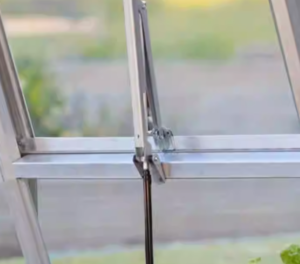

Introduction: Core Needs for Seniors’ Window Openers
For the elderly, it can be difficult to open and close Windows due to reduced grip strength, stiff joints (such as arthritis), and limited mobility. Therefore, what they need most is a safe, user-friendly and labor-saving window opener that enables the elderly to operate independently without relying on their family members. This guide simplifies key information to help you quickly choose the right window opener and refers to the authoritative safety guidelines and consumer protection recommendations of the U.S. Consumer Product Safety Commission (CPSC).

1. Types of Window Openers for Seniors (Quick Comparison)
We focus on the most practical types, divided into manual and electric, to fit different mobility levels and budgets.
1.1 Manual Window Openers (For Seniors with Basic Mobility & Limited Budget)
It does not require power supply, has a simple structure and is low in price. It is suitable for elderly people who can move independently and have basic grip strength. The American Consumers Association (CFA) points out that for assistive devices for the elderly, practicality and safety are more important than high prices, and simply designed manual window openers often can effectively meet the basic needs of the elderly.
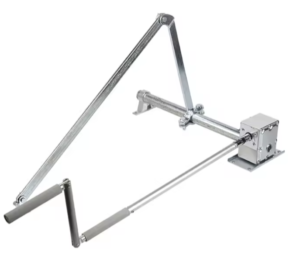
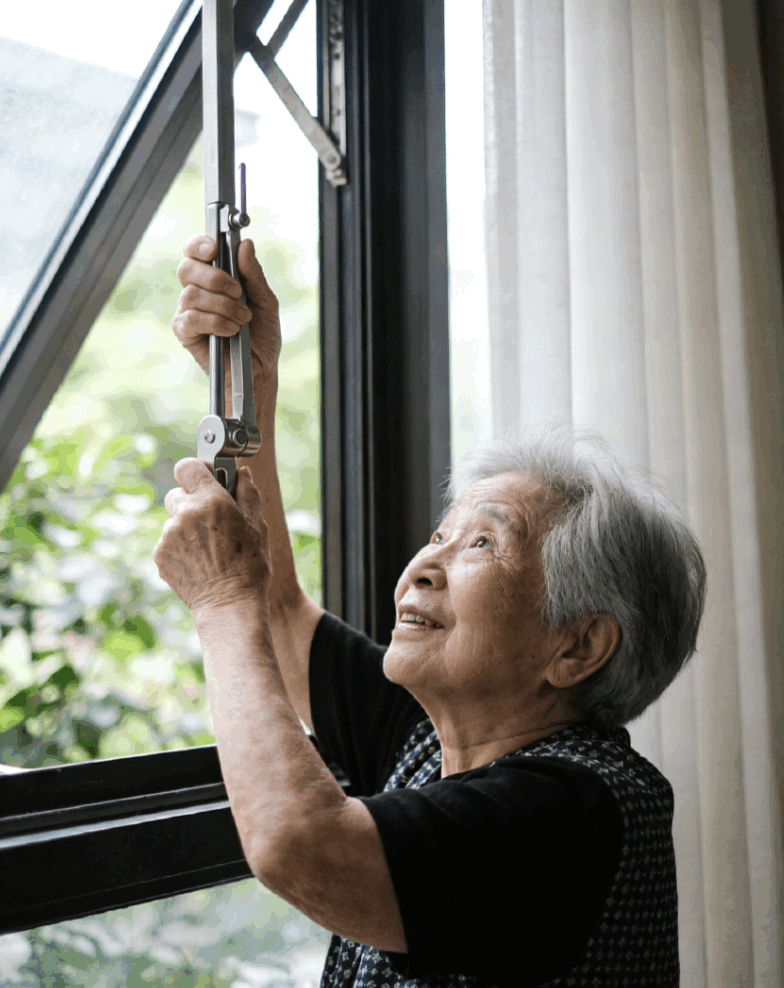
- Telescopic Crank Window Opener
- Key Features: Adjustable telescopic rod (up to 1.2m) to reach high windows easily; no window modification needed, easy to install in 5 minutes.
- Price: About $7 – $14 per piece
- Suitable for: Seniors who can’t reach high windows but have basic grip strength.
- Large Non-Slip Crank Window Opener
- Key Features: Large non-slip handle, labor-saving lever design (operating force ≤15N), easy for seniors with arthritis.
- Price: About $4.2 – $11.2 per piece (2-piece set: about $9.8)
- Suitable for: Seniors with weak grip or arthritis, for low-position casement windows.
1.2 Electric Window Openers (For Seniors with Limited Mobility)
Motor-driven, no manual effort required, ideal for seniors with limited mobility (e.g., wheelchair users, bedridden seniors) or severe arthritis. The International Organization for Standardization (ISO) Accessibility Guidelines emphasize that senior-friendly devices should prioritize ease of operation and safety, and electric window openers with one-click or voice control are highly recommended for seniors with limited mobility.
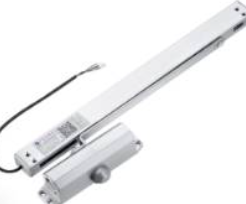
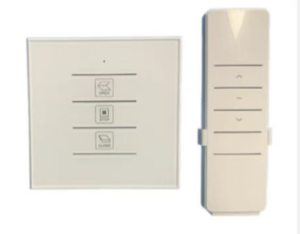
- Voice/Remote-Controlled Electric Window Opener
- Key Features: Voice control (compatible with mainstream smart assistants), remote control, one-click operation; supports scheduled opening and rain auto-closing.
- Price: About $42 – $112 per unit
- Suitable for: Seniors with limited mobility or living alone seniors (children can control remotely).
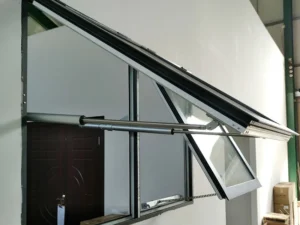
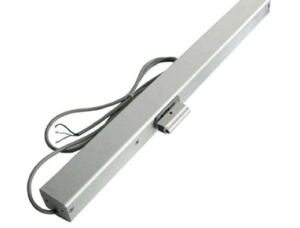
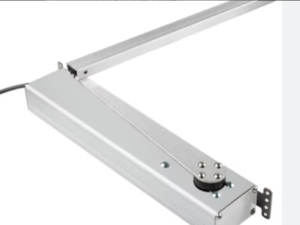
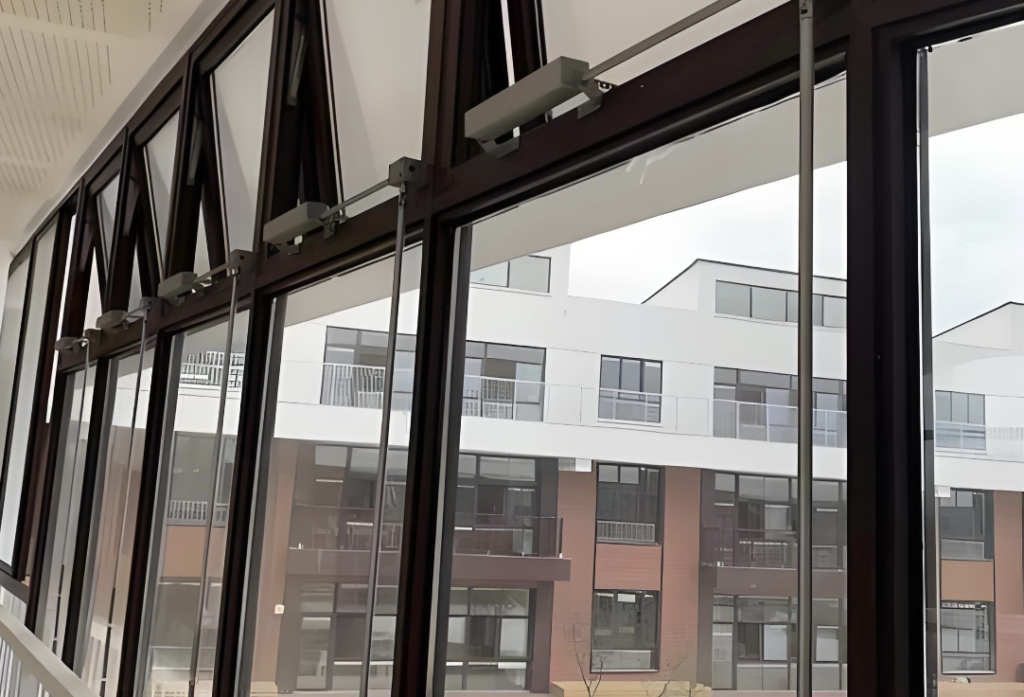
- Chain-Type Electric Window Opener
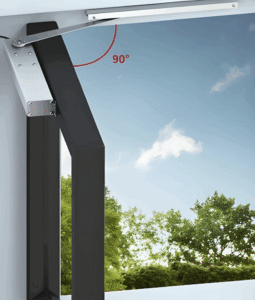
- Key Features: Stable operation, low noise (≤35dB), strong load-bearing (up to 80kg); manual emergency function for power outages.
- Price: About $70 – $168 per unit
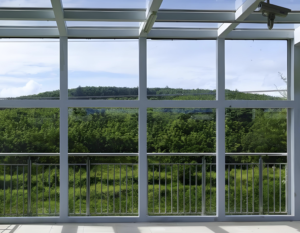
- Suitable for: Large/heavy windows, skylights, or seniors who need high stability.
1.3 Quick Comparison Table
| Type | Suitable For | Price Range | Operation Difficulty |
| Telescopic Crank (Manual) | Basic mobility, hard to reach high windows | $7 – $14 | Low |
| Non-Slip Crank (Manual) | Weak grip, arthritis | $4.2 – $11.2 | Low |
| Voice/Remote (Electric) | Limited mobility, living alone seniors | $42 – $112 | Very Low |
| Chain-Type (Electric) | Large/heavy windows, high stability needs | $70 – $168 | Very Low |
2. Key Buying Criteria (For Seniors)
- Safety First: Anti-pinch design (auto-stop when encountering resistance), anti-fall limit (opening angle ≤12cm for high-rises); electric models use DC24V safe voltage. The CPSC’s Home Safety Guidelines for Seniors explicitly require window safety devices to prevent falls, especially for high-rise residents, and anti-fall limiters are a key protective measure (CPSC, 2025).
- Easy Operation: Large non-slip handles for manual models; one-click/voice control for electric models; high-contrast buttons for seniors with poor eyesight. Consumer Reports (2025) notes that senior-friendly products should avoid complex operations and redundant functions, as overly complicated designs can increase safety risks for seniors.
- Compatibility: Choose based on window type (casement, skylight, sliding window); prefer tool-free installation.
- Cost-Effectiveness: Choose practical functions over fancy ones; look for products with ≥1 year warranty and timely after-sales service. The U.S. Consumer Federation (CFA) evaluations show that affordable senior assistive devices can often meet safety and usability requirements, and there is no direct correlation between price and quality.
3. Buying Tips & Pitfalls to Avoid
- Don’t pursue overly complex smart functions (hard for seniors to learn). As Consumer Reports (2025) indicates, redundant “fancy” functions not only increase operational difficulty for seniors but also may pose potential safety hazards.
- Don’t choose cheap products without anti-pinch/anti-fall features (safety hazard). Safety warnings from the CPSC highlight that inadequate window protection devices are a major cause of senior home fall accidents.
- Confirm your window type before buying (e.g., sliding windows need special openers).
- Choose products with easy installation or free on-site installation service.
4. Authoritative References
- 1. U.S. Consumer Product Safety Commission (CPSC). (2025). Home Safety Guidelines for Seniors: Window Safety Devices.
- 2. U.S. Consumer Federation (CFA). (2025). Key Considerations for Purchasing Senior-Friendly Assistive Devices.
- 3. International Organization for Standardization (ISO). (2024). ISO 21542: Accessibility Guidelines for Building Products and Facilities.
- 4. Consumer Reports. (2025). Evaluating Senior-Friendly Home Assistive Devices: Safety and Usability.