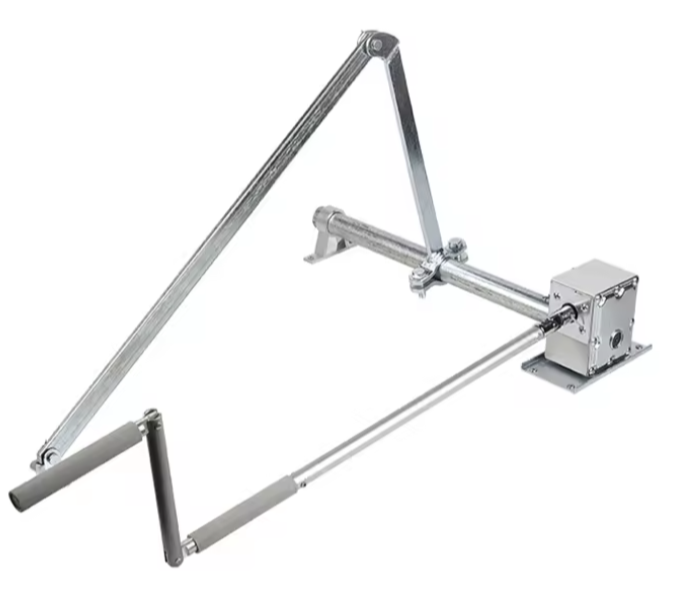
When faced with the seemingly simple product of a window opener, you might be surprised by the variety of types available on the market. Choosing the wrong opener can not only prevent the window from opening properly but can also damage the frame or create safety hazards during strong winds.
This article provides an in-depth analysis of the core differences between Electric Chain, Linear Actuator, Rack-and-Pinion, and Friction Stay window openers, helping you make the most informed decision.
1. Quick Overview: Core Differences at a Glance
Before diving into technical details, let’s look at a straightforward comparison of the four main types of openers. This table serves as the most important reference for your selection process.
| Feature | Chain Actuator | Linear Actuator | Rack-and-Pinion | Friction Stay |
|---|---|---|---|---|
| Thrust Force | Low (≤ 250N) | Medium-High (≤ 1000N) | High (≤ 1500N) | Medium (≤ 500N) |
| Wind Load Resistance | Weak | Strong | Extremely Strong | Medium-Strong |
| Operating Noise | Quiet | Moderate (Motor sound) | Loud (Gear meshing) | Quiet |
| Aesthetics | ★★★★★ (Compact) | ★★★☆☆ (Exposed arm) | ★★☆☆☆ (Exposed rack) | ★★★★☆ (Hidden) |
| Price Range | Low | Medium | High | Medium-High |
| Suitable Window Types | Residential casement, Skylights | Heavy windows, Industrial use | Louvers, Large smoke vents | Large top-hung, Tilt & turn |
2. In-Depth Analysis of the Differences
Knowing the table data isn’t enough. Understanding their working principles and application scenarios—the root of their differences—is key to avoiding mistakes.
A. Differences in Drive Principle
This is the most fundamental technical difference, directly determining the performance limits of the opener.
- Chain Actuator:
Relies on a metal chain extending link by link to create thrust. The chain arcs slightly when extended and folds back into the housing when retracted.- Key Difference: It essentially “pulls” the window closed rather than forcing it shut like a jack. Therefore, it is not resistant to compression. If strong wind pushes against the window from outside, the chain can buckle.
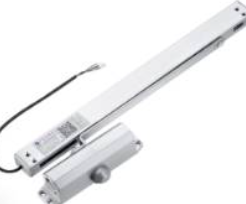
- Linear Actuator:
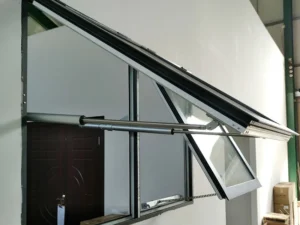
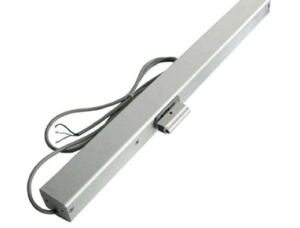
An internal motor turns a screw, moving a nut (or piston) in a straight line.- Key Difference: It is a pure rigid push-pull connection. Whether pushing or pulling, the force is transmitted through a solid shaft, providing excellent wind load resistance, making it ideal for heavy windows.
- Rack-and-Pinion Actuator:
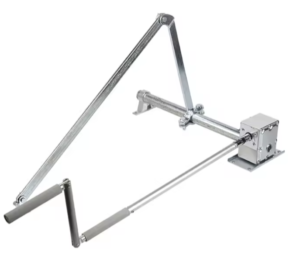
A motor-driven gear directly engages a metal bar with teeth (the rack) to push the window.- Key Difference: This is the most mechanically efficient transmission, capable of delivering immense thrust, perfect for large smoke ventilation systems requiring synchronized opening. The downsides are typically higher gear wear and noise compared to chain or linear types.
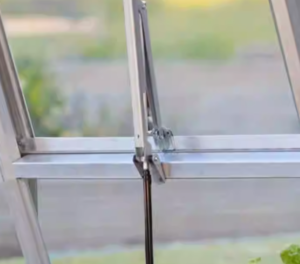
- Friction Stay Actuator:
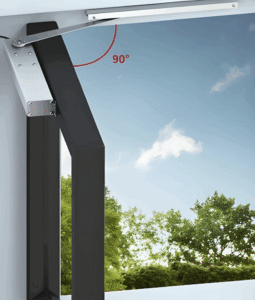
This is a specialized design where the opener is hidden within the window’s hinge (stay), driven by an internal friction mechanism or micro-motor.- Key Difference: It combines the “hinge” and the “drive” into one unit. This is the most discreet and aesthetically pleasing of all types but requires very specific compatibility with the window profile.
B. Differences in Installation and Appearance
If you are a homeowner, this might be more important than thrust data.
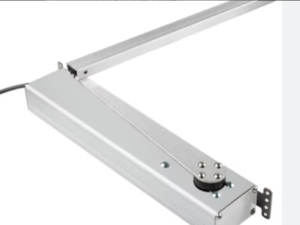
- Chain: Usually mounted on the frame or wall; the chain is visible when the window opens. However, many high-end models feature streamlined designs and colors that match window frames, minimizing visual intrusion.
- Linear: Requires significant space for the arm to swing during operation. When the window is closed, the “rod” is usually fully visible, which can disrupt the aesthetics of modern minimalist homes.
- Rack-and-Pinion: Very conspicuous. The rack is completely exposed, giving a strong industrial look. Rarely used in villas or residences unless it’s a factory or warehouse.
- Friction Stay: Almost completely invisible when the window is closed, as it’s integrated into the hinge. This is the top choice for high-design architecture.
C. Differences in Application Scenarios
- Smart Home Retrofits: Chain openers are the first choice. They offer adequate thrust, low noise, simple installation, and handle most standard PVC or aluminum casement windows.
- Sunrooms/Greenhouses: If the window is top-hung and not too heavy, chain openers offer the best value. For heavy glass or large skylights, linear actuators are necessary.
- High-Rise Building Ventilation: Wind load is a critical factor. Linear or rack-and-pinion actuators are the only reliable choices, as chains might fail to open fully against high wind pressure or could be damaged.
- Landmark Architectural Buildings: To maintain a clean facade, architects typically specify friction stay openers, ensuring no visible mechanical devices are present from the exterior.
3. How to Choose Based on These Differences: A Three-Step Decision Method
Faced with these differences, you can make your decision by following this three-step logic:
- Step 1: Check Window Weight (Determine Minimum Thrust)
- Light window (e.g., standard PVC): Chain openers are sufficient.
- Heavy window (e.g., triple-glazed, wide aluminum frame): Must choose linear or rack-and-pinion.
- Step 2: Check Installation Environment (Determine Wind Load Rating)
- Sheltered area, low floor, skylight: Chain opener’s wind resistance is likely adequate.
- Windward side, high floor, coastal building: Must choose linear or rack-and-pinion with high wind load resistance.
- Step 3: Check Aesthetic Requirements (Determine Appearance Acceptability)
- If you cannot tolerate a “mechanical arm” next to your window: Budget accordingly and choose friction stay openers.
- If seeking value for money and can accept some visible hardware: Choose chain or linear.
Summary
There is no single “best” window opener, only the solution that best fits your specific needs.
- For value and daily ventilation: Chain actuators are your most reliable choice.
- For heavy windows or harsh weather: Linear actuators guarantee performance.
- For ultimate aesthetics and concealment: Friction stay actuators are worth the investment.