🔑 Core Pain Points Solved: Windows too high to reach? Too lazy to open windows manually? Need automatic temperature control for your greenhouse? Failing fire safety inspections? Old openers broken and need repair?
This comprehensive guide provides complete solutions with authoritative standards, expert buying tips, and step-by-step maintenance instructions—all backed by official certifications and industry best practices.
🚨 1. Four Real-World Scenarios: Which One Is You? {#scenarios}
🪟 “My Windows Are Too High—I Can’t Reach Them!”
“Every time I need to open the window, I have to fetch a ladder. It’s dangerous and exhausting!”
Real Story: In Wuhan, a homeowner named Ms. Li discovered her new apartment had “belt course” design issues—her windows were installed nearly 30 cm higher than normal floors, making them impossible to reach .
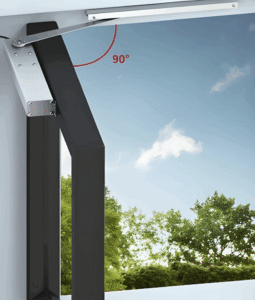
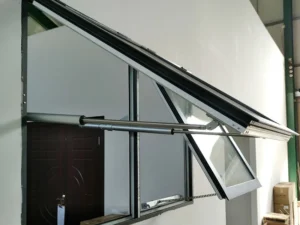
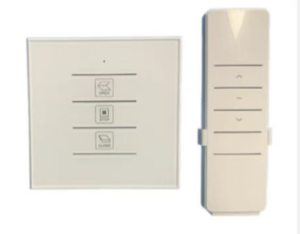
The Solution: Install an electric window opener with remote control or smartphone app integration. One button press, and your high windows open automatically.
✅ Authoritative Standard: According to China’s Unified Standard for Civil Building Design (GB50352-2019), skylights and large operable windows should be equipped with power-assisted mechanical or electric opening devices.
Best For:
- 🏢 High-rise apartments with ceiling windows
- 🏭 Factory workshops with hard-to-reach clerestory windows
- 🏡 Villas with skylights and loft windows
🌿 “My Greenhouse Overheats and My Plants Are Dying”
“In summer, my greenhouse turns into an oven. In winter, it’s too cold. Manual ventilation never works fast enough.”
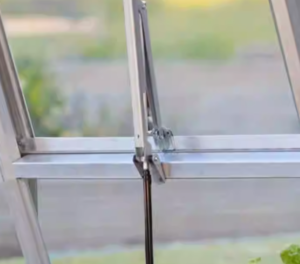
The Solution: Install temperature-controlled automatic vent openers. When the temperature exceeds 28°C (82°F), windows open automatically; below 20°C (68°F), they close.
✅ Authoritative Standard: Must comply with NY/T 1364-2007 “Greenhouse Rack-and-Pinion Openers“ industry standard for agricultural applications.
Real Product Example: Harris Seeds offers automatic vent openers that adjust between 60-77°F (15-25°C) with no batteries or electricity needed—pure mechanical thermal expansion technology.
🔥 “My Building Failed Fire Safety Inspection—Now What?”
“The fire inspector said our smoke ventilation windows don’t meet code. We need to fix this immediately!”
The Solution: Install fire-rated automatic window openers that integrate with your building’s fire alarm system and remain operational even during power outages.
✅ Critical Standards:
- Must have CCCF certification (China Fire Products Compliance Certification)
- Comply with GB 16806-2006 “Fire Alarm Control Systems” standard
- Follow 13CJ06-2 national standard design atlas for installation
Important Update: As of December 1, 2025, all fire window products must comply with the new GB 16809-2024 standard. Old certifications are no longer valid for new installations.
🔧 “My Old Window Opener Is Broken—Who Can Fix It?”
“The chain is jammed, the motor won’t run, and now my window is stuck. Do I need to replace everything?”
The Solution: Don’t panic! 70% of common failures can be fixed at home with simple troubleshooting. The remaining 30% may need replacement, but this is also an opportunity to upgrade to smarter technology.
✅ 维护参考:按照 福建省民用建筑外窗工程技术规范 (DBJ13-255-2016)进行正确的维护程序。



🏆 2. The “Golden Rules” of Automatic Window Opener Selection {#selection-guide}
🛒 Confused about which type to choose? This comparison table has all the answers!
| 🏷️ Type | 🔧 Icon | 💪 Best Application | ✅ Advantages | ❌ Limitations | 📏 Standards |
|---|---|---|---|---|---|
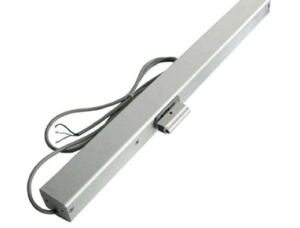
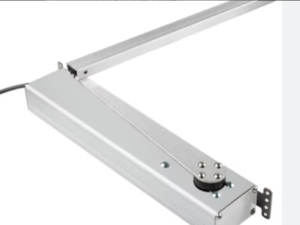
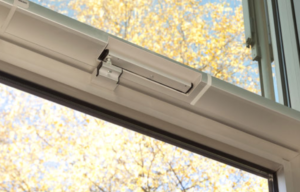
| Chain-Driven Opener | ⛓️ | Residential casement windows, skylights, top-hung windows | Easy installation, discreet appearance, moderate cost, smooth operation | Lower thrust capacity, not suitable for heavy commercial windows | 13CJ06-2 Atlas |
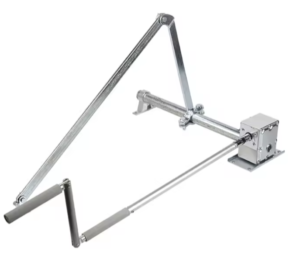
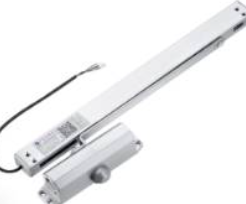
| Rack-and-Pinion Opener | ⚙️ | Greenhouses, heavy industrial windows, large commercial facades | Extremely high thrust, excellent stability, long service life | Visible mechanism, less aesthetic for residential use | NY/T 1364-2007 |
| Screw-Driven Opener | 🧵 | Fire smoke ventilation, large curtain walls, high-rise buildings | High thrust, smooth and quiet operation, excellent self-locking | Slower opening speed | GB 16806-2006 |
| Fire-Rated Opener | 🚨 | Commercial buildings, hospitals, schools, emergency exits | CCCF certified, operates during power outages, fire alarm priority | Higher cost, professional installation required | CCCF-CPRZ-33:2025 |
| Wind-Resistance Opener | 💨 | Coastal homes, mountainous areas, storm-prone regions | Auto-closes when wind exceeds safe threshold, protects from storm damage | Higher cost due to advanced sensors | Regional building codes |
| Fall-Stop Opener | 👶 | Homes with children, schools, daycare centers, senior facilities | Limits opening gap for child safety, complies with safety regulations | May restrict full ventilation | Child safety standards |
💡 Expert Tip: Regardless of type, Ingress Protection rating must be IP54 or higher (dust-proof and splash-proof). This is a mandatory requirement according to Article 9.4.7 of the General Specification for Building Electrical and Intelligent Systems.
📊 Quick Selection Matrix by Window Type
| Window Type | Recommended Opener | Key Consideration |
|---|---|---|
| Casement Windows | Chain-driven or electric opener | Check window weight (up to 50kg typical) |
| Skylights/Roof Windows | Chain-driven with weatherproofing | IP54 minimum, UV-resistant materials |
| Sliding Windows | Sliding window opener (rack type) | Track condition, smooth movement |
| Large Commercial Windows | Screw-driven or rack-and-pinion | Thrust capacity (check specifications) |
| Greenhouse Vents | Thermal automatic opener (no power needed) | Temperature range (60-77°F adjustable) |
🔥 3. Fire Safety & Smoke Ventilation: Life-Saving Standards You Must Know {#fire-safety}
🚨 Why Can’t You Just Buy Any Cheap Opener?
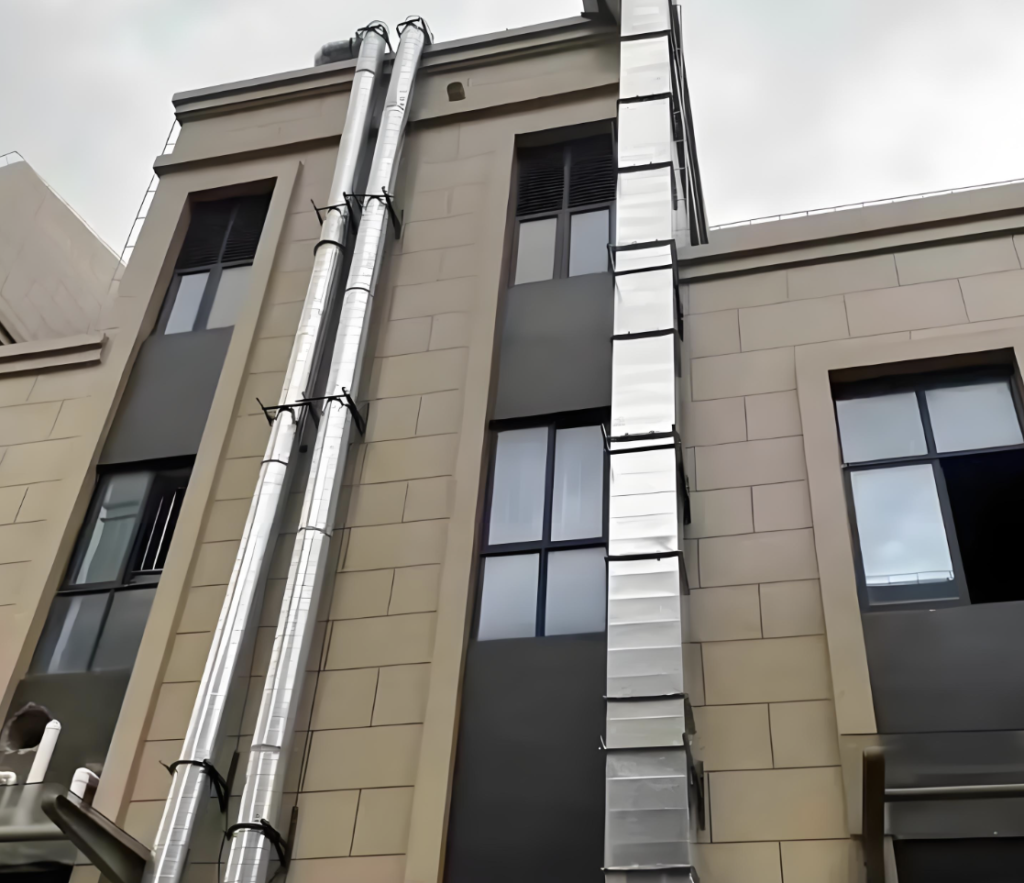
In a fire, smoke kills faster than flames. Fire smoke ventilation windows must fully open within 60 seconds to rapidly exhaust toxic smoke and provide clear escape routes.
✅ The 3 Non-Negotiable Requirements for Fire-Rated Openers:
1️⃣ CCCF Certification — VERIFY IT!
- Must carry valid CCCF certification (China Fire Products Compliance Certification)
- How to verify: Visit the official “China Fire Product Information Network” website and search by product model number
- New standards alert:
- Fire windows: Must comply with GB 16809-2024 (effective Dec 1, 2025)
- Fire doors: Must comply with GB 12955-2024 (effective May 1, 2026)
2️⃣ Backup Power Supply — NON-NEGOTIABLE
- Must include emergency battery backup that operates during main power failure
- Batteries must maintain full functionality for at least 72 hours in standby mode
- Should automatically switch to battery power within 0.5 seconds of power failure
3️⃣ Fire Alarm Priority — ABSOLUTE
- Regardless of manual remote control or app commands, upon receiving fire alarm signal:
- ✅ Must immediately override all user commands
- ✅ Must execute full opening sequence
- ✅ Must send confirmation signal back to fire control panel
- ✅ Must maintain open position for smoke exhaustion
📋 Certification Timeline — Critical for Building Owners
| Product Type | New Standard | Old Standard Invalid From | Certificate Conversion Deadline |
|---|---|---|---|
| Fire Windows | GB 16809-2024 | December 1, 2025 | December 1, 2026 |
| Fire Doors | GB 12955-2024 | May 1, 2026 | May 1, 2027 |
⚠️ Warning: After these deadlines, buildings with non-compliant fire openers may fail safety inspections and face legal liability in case of fire incidents.
🏢 Commercial Applications Requiring Fire-Rated Openers
According to industry best practices, the following buildings must install certified fire-rated openers:
- 🏥 Hospitals and healthcare facilities — critical for patient evacuation routes
- 🏫 Schools and universities — child safety priority
- 🏢 High-rise commercial buildings — smoke extraction from stairwells
- 🏨 Hotels — guest room safety and common area ventilation
- 🛒 Shopping malls and atriums — large volume smoke management
- 🏭 Industrial facilities — rapid exhaust of toxic combustion products
🔧 Technical Specifications for Fire-Rated Systems
Modern fire-rated window systems should include the following components :
| Component | Function | Technical Requirement |
|---|---|---|
| Central Controller | System brain | Microprocessor-based (e.g., PIC16F873) |
| Smoke Sensors | Fire detection | High sensitivity, low false alarm rate |
| Wind Sensors | Weather monitoring | Detect wind speed for auto-closure |
| Rain Sensors | Weather monitoring | Optical or conductive type, <3-second response |
| Emergency Manual Button | Manual override | Red color, with status indicators (normal/open/fault) |
| Wireless Remote Circuit | User control | PT2262/2272 encoding chip compatible |
| Motor Drive Circuit | Power delivery | Overload protection, current detection |
🏢 System Design Requirements
A complete fire-rated window control system must include :
- Power Supply: Backup power with automatic switchover
- Control Unit: I/O initialization, static detection, AD conversion modules
- Sensors: Smoke, temperature, wind, rain detection
- Actuators: Chain or screw-driven openers with行程开关 (limit switches)
- User Interface: Remote control, manual switches, status indicators
- ✅ Reliable locking force and push/pull force
- ✅ Automatic opening/closing based on sensor input
- ✅ Simple hardware connections, stable operation
- ✅ Clear software flow, high execution efficiency
🌱 4. Greenhouse & Garden: Create “Auto-Temperature Control” the Smart Way {#greenhouse}
🌡️ Complete Greenhouse Ventilation System Design
Greenhouse automatic ventilation systems have evolved significantly. Modern systems use PLC control boxes, temperature sensors, humidity sensors, and window opening mechanisms to fully automate the growing environment .
🛠️ Complete Greenhouse Ventilation System Shopping List:
🌿 Two Types of Greenhouse Openers: Which Is Right for You?
Type A: Thermal Automatic Openers (No Electricity Needed)
- How it works: Uses wax expansion cylinder—when temperature rises, wax expands and pushes the vent open
- Temperature range: Adjustable between 60-77°F (15-25°C)
- Best for: Small greenhouses, cold frames, hobby gardens
- Advantages:
- ✅ No wiring or electricity required
- ✅ Works during power outages
- ✅ Simple installation (minutes)
- ✅ Low maintenance
- Disadvantages:
- ❌ Limited to single vent operation
- ❌ Cannot integrate with smart home systems
- ❌ No remote monitoring
Type B: Electric Automatic Openers (Smart Controllers)
- How it works: Motor-driven with electronic temperature sensors
- Control options: Programmable schedules, smartphone app, voice control
- Best for: Commercial greenhouses, large-scale growing operations
- Advantages:
- ✅ Multi-vent synchronization
- ✅ Integration with weather forecasts
- ✅ Remote monitoring and control
- ✅ Data logging for crop optimization
- Disadvantages:
- ❌ Requires professional installation
- ❌ Dependent on power supply
- ❌ Higher initial cost
🌧️ Advanced Greenhouse Control Logic
For optimal plant growth, program your greenhouse controller with this logic :
📊 Advanced Greenhouse Opener Features
Modern greenhouse openers offer sophisticated capabilities :
- Position Display: Control screens show exactly how far the window is open
- Length Scale: Visual indication of opening distance
- PLC Control: Full programmability for complex schedules
- Multiple Sensor Integration: Temperature, humidity, and more
- Bidirectional Opening: Some systems can open windows in both directions for doubled ventilation area
📊 Greenhouse Opener Comparison
| Feature | Thermal Opener | Electric Opener | PLC-Controlled System |
|---|---|---|---|
| Power Source | None (thermal wax) | 12-24V DC / AC power | 24V DC with backup |
| Temperature Control | Mechanical (60-77°F adjustable) | Electronic (programmable) | Precision programmable |
| Installation | DIY in minutes | Professional recommended | Professional required |
| Price Range | $50-$80 | $150-$500+ | $500-$2000+ |
| Best For | Hobby greenhouses, cold frames | Commercial operations | Large-scale agriculture |
| Smart Integration | No | Yes (Wi-Fi, app control) | Full building automation |
| Ventilation Area | Single vent | Multiple vents | Entire greenhouse |
🏠 5. Residential Solutions: Complete Guide for Homeowners {#residential}
🪟 High Window Problems: Complete Solutions
For homeowners struggling with windows that are too high to reach, there are multiple solutions depending on your budget and needs .
✅ Solution 1: Immediate Low-Cost Fixes
| Solution | Description | Cost | Pros | Cons |
|---|---|---|---|---|
| Folding Step Stool | Compact stool stored near window | $20-50 | Cheap, no installation | Requires manual effort |
| Window Pole/Handle | Extended reach tool | $15-30 | Very simple | Manual only |
| Window Limiters | Safety devices to prevent over-opening | $10-25 | Improves safety | Doesn’t help with opening |
✅ Solution 2: Semi-Permanent Improvements
✅ Solution 3: Permanent Electric Solutions
| Solution | Description | Cost | Best For |
|---|---|---|---|
| Chain-Driven Electric Opener | Motorized opener with remote | $150-400 | Most residential windows |
| Solar-Powered Opener | Self-contained with solar panel | $200-500 | Windows with good sun exposure |
| Smart Opener with App | Wi-Fi connected, voice control | $250-600 | Tech-savvy homeowners |
🪑 Creative Residential Solutions
If electric openers aren’t in your budget, consider these creative approaches from interior designers :
- Safety First: Install high railings or window restrictors to prevent accidents
- Add Steps: Install防滑台阶 (non-slip steps) on the floor below the window
- Add Handles: Mount handles on surrounding walls for safe climbing
- Comfort Upgrades: Add防滑垫 (non-slip mats) or sofa cushions on the sill
- Tea Corner: Transform high windows into a elevated tea-viewing platform (if accessible)
Some designers even extend飘窗 (bay windows) inward to create desks,化妆台 (vanity tables), tatami beds, or storage cabinets .
📦 Storage Solutions for High Windows
For凸窗 (bay windows) that are too high, consider these storage ideas :
| Solution | Description | Benefits |
|---|---|---|
| Custom Storage Cabinets | Install below or beside the window | Maximizes unused space |
| Moveable Step-Storage Units | Step units that double as storage | Safe access + storage |
| Lightweight Materials | Choose轻便稳固的材料 (lightweight, stable materials) | Safety first |
🎨 Decorative Uses for High Windows
Transform high windows into design features :
- Hanging Plants: Use垂吊式植物 (trailing plants) like ivy or spider plants
- Art Display: Create a mini gallery on the sill
- Lighting: Install壁灯 (wall lamps) or spotlights to highlight the window at night
- Seasonal Decorations: Change decorations throughout the year
🛠️ 6. Broken Opener? The Ultimate Repair vs. Replace Decision Guide {#repair-guide}
“Is my window opener broken beyond repair, or can I fix it myself?” Follow this diagnostic flowchart!
🔧 DIY Troubleshooting: 3-Step Self-Check
✅ Step 1: Power Supply Check
- 🔌 Symptoms: Remote has no response, no LED indicator lights
- 🛠️ What to check:
- Is the power plug securely inserted?
- Are control box wiring terminals tight?
- Check circuit breaker (has it tripped?)
- Test outlet with another device
- 📊 Success rate: 10-15% of “failures” are just power issues
✅ Step 2: Cleaning & Lubrication
- 🛢️ Symptoms: Slow operation, strange noises (grinding, squeaking), intermittent sticking
- 🛠️ What to do:
- Disconnect power for safety
- Remove the housing using appropriate tools
- Clean window tracks and mechanism with vacuum and brush
- Disassemble the chain carefully, noting positions for reassembly
- Soak the chain in warm water, clean with soft brush to remove dust and grease
- Dry thoroughly with clean cloth
- Apply specialized opener lubricant to chain surface
- Never use WD-40 as long-term lubricant (it attracts dust)
- 📊 Success rate: 30-40% of problems are dirt and lack of lubrication
✅ Step 3: Limit Switch Adjustment
- 🎚️ Symptoms: Window doesn’t close fully (leaves gap) or doesn’t open completely
- 🛠️ What to do:
- Locate limit adjustment screws on motor (usually marked “OPEN” and “CLOSE”)
- If not closing fully: slightly adjust “CLOSE” screw clockwise
- If not opening enough: adjust “OPEN” screw clockwise
- Make small adjustments (1/4 turn at a time) and test
- 📊 Success rate: 20% of issues are misaligned limit switches
🔧 Detailed Chain Opener Repair Guide
For chain-driven openers, here’s a complete disassembly and repair procedure :
Step 1: Disassembly
- Disconnect power (critical safety step)
- Remove the housing carefully to avoid damaging components
- Disassemble the chain using wrenches or screwdrivers to remove chain and sprocket
- Record positions of all components for reassembly
- Check the switch for leakage, damage, or aging—replace if needed
Step 2: Cleaning
- Soak disassembled chain in warm water
- Use soft brush to gently clean dust and grease
- Dry thoroughly with clean cloth
Step 3: Lubrication
- Apply specialized opener lubricant to cleaned chain surface
- Ensure even coverage for smooth operation and reduced noise
Step 4: Replace Worn Parts
- Check all components for wear, deformation, or脱落 (detachment)
- Replace any damaged parts immediately
- Use manufacturer-specified replacement parts
💡 When You MUST Replace (Not Repair)
| Situation | Indication | Action |
|---|---|---|
| ⚡ Motor burned out | Burning smell, smoke, no operation | Replace immediately |
| 🔩 Gear stripped | Motor runs but window doesn’t move | Replace (internal parts not serviceable) |
| 💧 Severe rust/corrosion | Visible rust through housing, water inside | Replace (safety risk) |
| ⏰ Age >10 years | Multiple failures, parts obsolete | Upgrade to new model |
| 📋 Standard change | Old model doesn’t meet new fire codes | Replace with certified model |
📝 Professional Installation Checklist
If you decide to replace, ensure your installer follows this checklist:
- Laser measurement of opening dimensions (error <2mm)
- Correct fastener selection: Stainless steel A2-70 or better
- Torque specification: Follow manufacturer’s torque values (typically 18 N·m)
- Weather sealing: EPDM gaskets properly compressed
- Cable management: Separate power and signal cables (≥30mm apart)
- Grounding: Shield grounding at single point, resistance <1Ω
- Test operation: Full open/close cycle with no binding
- Safety test: Obstruction detection (should reverse within 80ms)
🔧 Maintenance Schedule for Long Life
⚠️ Safety Precautions During Maintenance
- Always disconnect power before any disassembly
- Keep fingers and objects away from moving parts
- Use proper tools to avoid damage
- If unsure, consult a professional
📈 7. 2026 Smart Trends: Make Your Windows “Weather-Aware” {#smart-trends}
The future of windows isn’t just glass—it’s an intelligent part of your smart home ecosystem.
🌧️ Rain & Weather Sensors: Never Worry About Open Windows Again
“Did I leave the window open? It’s starting to rain!”
Solution: Install rain sensors that automatically close all windows when precipitation is detected.
- How it works: Optical infrared sensor (940nm) detects water droplets
- Response time: <3 seconds from first drop to closing command
- False alarm rate: <1% with advanced signal processing
🌬️ Wind Sensors for Automatic Protection
Modern systems include 风力传感器 (wind sensors) that monitor wind speed and automatically close windows when thresholds are exceeded . This prevents:
- Mechanical damage to windows
- Wind-blown rain entering your home
- Safety hazards from loose windows
🔥 Smoke Sensors for Fire Safety
Integration with 烟雾传感器 (smoke sensors) provides early warning and automatic window opening for smoke ventilation . Key features:
- Automatically open windows upon smoke detection
- Can be programmed for different response levels
- Integrates with building fire alarm systems
🗣️ Voice Control: Just Ask Your Windows to Open
“Hey Siri, open the living room windows 50%.”
Modern openers integrate with:
- 🍏 Apple HomeKit (Matter protocol support)
- 🏠 Google Home / Google Assistant
- 🎵 Amazon Alexa
- 📱 小米 Home / Mi Home (for Asian markets)
Technical note: Under HomeKit Matter protocol, smart windows are identified as “Window” type with “Position” cluster (0-100% opening).
📱 Remote Control: Your Windows in Your Pocket
Whether you’re in the office or on vacation halfway around the world:
- Open windows to air out the house before you return
- Close windows if unexpected weather arrives
- Check window status (open/closed) in real-time
- Receive alerts for unusual conditions
Connectivity options:
- BLE 5.4: Up to 200m open-air range
- Wi-Fi: 2.4GHz/5GHz dual-band
- CAN-FD / RS-485: Professional building automation
📱 Advanced Smart Features
Modern systems include sophisticated modules :
| Module | Function |
|---|---|
| I/O Initialization | System startup configuration |
| Static Detection | Monitor button states |
| AD Conversion | Sensor data processing |
| 行程开关 (Limit Switch) | Position detection |
| Remote Control | Wireless user interface |
| Sensor Integration | Rain, smoke, wind detection |
🌬️ Smart Wind Compensation
Modern openers automatically adjust for wind conditions:
- Below 500 Pa wind pressure: Normal operation
- 500-1000 Pa: Motor current increased by 10% to prevent shaking
- Above 1000 Pa: Window opening automatically prohibited
- Alert: Push notification sent to your phone
🌡️ Temperature Compensation for Year-Round Reliability
Advanced openers automatically adjust for temperature effects:
- Copper resistance compensation: +4% per 10°C temperature increase
- Cold weather start: At -20°C (-4°F), motor pre-heats for 30 seconds before operation
- Lubricant optimization: Special low-temperature grease maintains performance
🔋 Energy Efficiency: The Numbers Don’t Lie
| Parameter | 2025 Typical | 2026 Advanced | Improvement |
|---|---|---|---|
| Standby power | <1W | <0.3W | 70% reduction |
| Operating noise | 42 dB(A) | 35 dB(A) | Quieter than library |
| Efficiency | 85% | 92% | Less heat, more motion |
| Response time | <8 seconds | <5 seconds | 37% faster |
🔒 Security & Safety Features
- Anti-pinch protection: Force <150N, reverses within 80ms
- Fall prevention: Adjustable opening limit for child safety
- Emergency manual override: Red button with status indicators
- Tamper alarm: Unauthorized movement triggers alert
- Secure communication: AES-256-GCM encryption for OTA updates
🎯 8. Conclusion: Every High Window, Under Your Command {#conclusion}
From the frustration of windows too high to reach to the precision of greenhouse auto-temperature control and the life-saving importance of fire safety ventilation, automatic window openers have evolved from luxury accessories to essential building components.
📝 Final Recommendations by Scenario:
⚠️ Don’t Forget: Certification Deadlines!
- Fire windows: Must comply with GB 16809-2024 by Dec 1, 2025
- Fire doors: Must comply with GB 12955-2024 by May 1, 2026
🔧 Old opener broken? Follow our 3-step DIY checklist first . If replacement is needed, view it as an opportunity to upgrade to 2026 smart technology with better energy efficiency, quieter operation, and full smart home integration.
🏆 The Bottom Line:
Whether you’re solving a simple household inconvenience or meeting complex commercial safety requirements, the right automatic window opener transforms your space into something smarter, safer, and more comfortable.
Let every high window—in your home, your greenhouse, or your building—obey your command.
📚 References & Authoritative Sources
- GB50352-2019 Unified Standard for Civil Building Design
- GB 16806-2006 Fire Alarm Control Systems
- GB 16809-2024 Fire Windows (effective Dec 2025)
- GB 12955-2024 Fire Doors (effective May 2026)
- CCCF-CPRZ-33:2025 Fire Protection Product Certification Rules
- NY/T 1364-2007 Greenhouse Rack-and-Pinion Openers
- 13CJ06-2 National Standard Design Atlas: Fire-Rated Smart Openers
- EN 14351-1:2020+A1:2024 European standard for obstruction force (<150N)
- IEC 60721-3-3 Environmental classification for PCB coatings
- NFPA 92 Standard for Smoke Control Systems