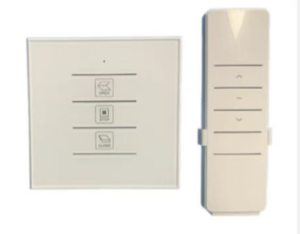

You’ve decided to automate your windows for fresh air and smart home convenience. But there’s a common obstacle standing in your way: the insect screen.
One of the most frequent questions we hear is, “Can I install a window opener if I have fly screens?” or “Will the opener work with my existing sliding screens?”
The short answer is yes, but it requires careful planning. This guide explores the relationship between window openers and window screens, the challenges they present, and the best solutions for keeping bugs out while enjoying automated ventilation.
The Core Challenge: Space and Interference
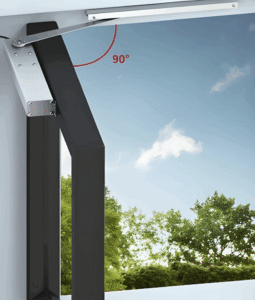
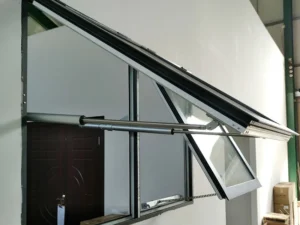
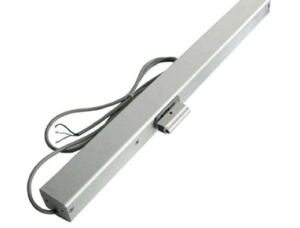
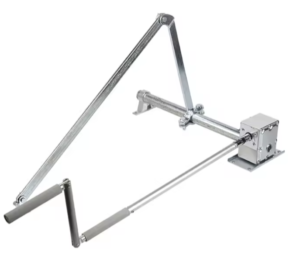
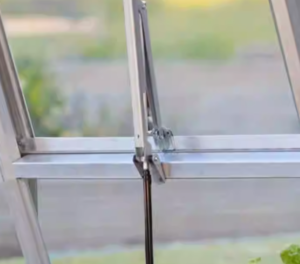
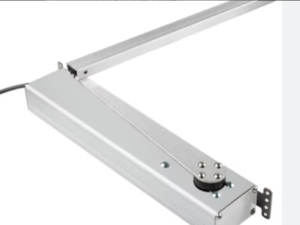
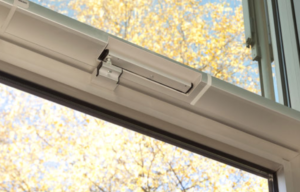
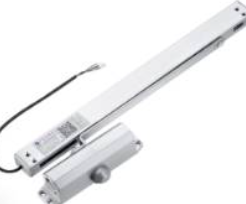
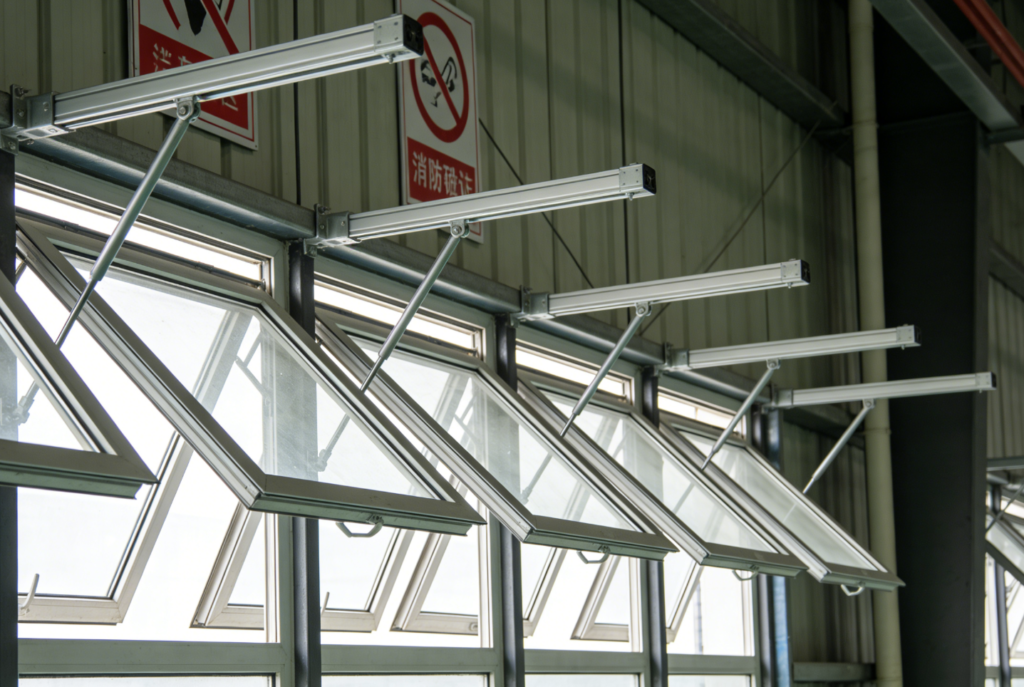
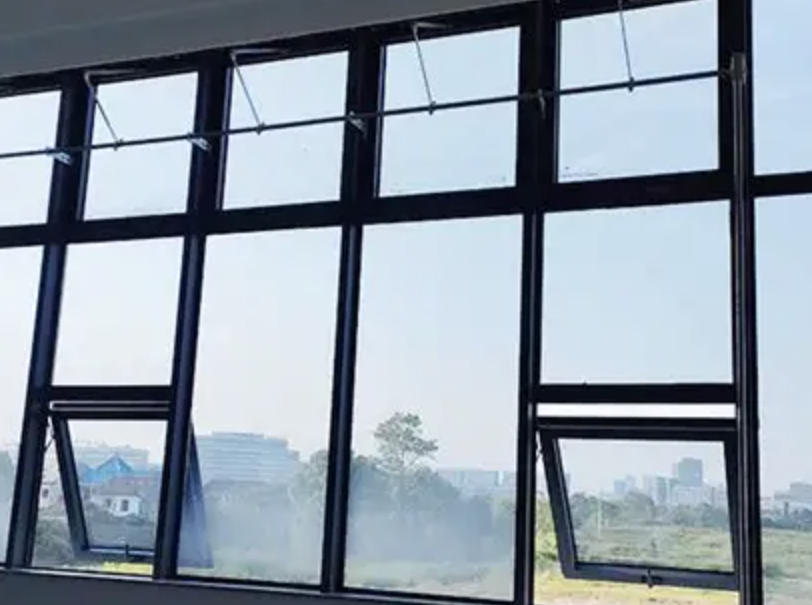
Window openers, particularly window openers with chain drive and window openers with linear drive, need physical space to operate.They mount on the window frame and push the sash open. Screens, whether they are fixed, sliding, or retractable, also occupy space on the frame. The conflict usually arises in one of three ways:
- Physical Interference: The opener body blocks the track where a sliding screen needs to move.
- Mounting Conflict: The opener’s mounting bracket occupies the space where the screen frame would sit.
- Operation Obstruction: The opening arm or chain protrudes into the area where a retractable screen cassette needs to sit.
Compatibility Matrix: Screens vs. Opener Types
Not all screen types work well with all openers. Here’s a quick compatibility overview:
| Screen Type | Chain Actuator | Linear Actuator | Friction Stay | Notes |
|---|---|---|---|---|
| Internal Sliding Screen | ⚠️ Difficult | ⚠️ Difficult | ✅ Best | Sliding tracks are often blocked by mounted openers. |
| External Sliding Screen | ⚠️ Difficult | ⚠️ Difficult | ✅ Best | Same issue as internal; the opener sits in the way. |
| Fixed Screen (Full Frame) | ❌ Usually No | ❌ Usually No | ❌ Usually No | Fixed screens cover the entire frame, blocking opener access. |
| Retractable / Roller Screen | ✅✅ Excellent | ✅ Good | ✅✅ Excellent | The most compatible option; screen rolls away when not in use. |
| Hinged / Swing-out Screen | ✅ Good | ✅ Good | ⚠️ Possible | Works if screen swings independently and clears the opener arm. |
| Pleated / Accordion Screen | ✅ Good | ✅ Good | ✅ Good | Flexible and mounts outside the opener’s zone. |
The Best Solution: Retractable Screens
For automated windows, retractable screens (also called roller screens or roller blinds) are the gold standard.
How they work:
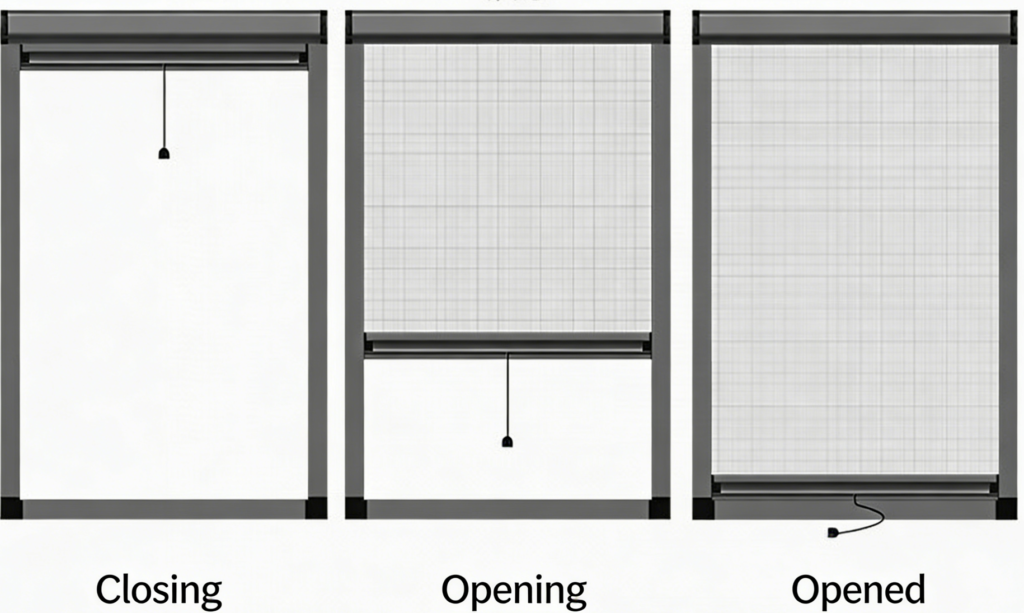
A retractable screen consists of a cassette (usually mounted at the top of the window) containing a spring-loaded roller with mesh fabric. You pull the screen down and clip it into place. When not needed, it retracts back into the cassette.
Why they work with openers:
- No Side Tracks: Unlike sliding screens, retractable screens don’t require vertical tracks on the left and right sides of the frame. This leaves the sides completely free for mounting the window opener.
- Independent Operation: The screen operates vertically, while the opener operates horizontally (pushing outwards). They occupy different planes and rarely interfere.
- Retractable Feature: When the screen is rolled up, it’s completely out of the way, giving full access to the window and opener for maintenance.
Considerations:
- The cassette requires headroom above the window.
- They are generally more expensive than simple sliding screens.
Alternative Solutions for Specific Scenarios
Scenario 1: You Have Existing Sliding Screens
If you already have internal sliding screens and want to add openers, you have a few options:
- The “Spacer” Method: Sometimes, you can mount the opener on a block or spacer to position it above or in front of the screen track. This requires careful measurement to ensure the opener arm still reaches the sash correctly. It’s not always possible.
- Switch to Half-Screens: Instead of a full-width sliding screen, consider a smaller screen that only covers the opening portion not obstructed by the opener. This reduces the ventilation area but keeps bugs out.
- Motorized Retrofits: In some cases, you may need to replace the sliding screen with a retractable solution.
Scenario 2: Casement Windows (Outward Opening)
Casement windows that crank outward pose a unique challenge. The screen must be on the inside. If you add an opener, it will also be on the inside.
- The Solution: Use a hinged internal screen. This is a screen on a separate hinge that swings open independently. To operate the window, you first swing the screen open, then use the opener. It’s a simple, low-tech solution that works perfectly.
Scenario 3: Skylights
Skylights often have internal blinds or shades, but screens are less common. If you need insect protection for an automated skylight:
- Internal Pleated Screens: These mount flush within the skylight shaft and can be manually pulled across. They don’t interfere with the opener because the opener is on the window sash itself, and the screen is fixed to the frame.
- External Screens: Some skylights come with external insect screens integrated into the frame design. If yours doesn’t, adding one aftermarket is difficult.
Installation Tips for Openers and Screens
If you are planning a new installation or retrofitting, follow these tips to ensure compatibility:
1. Plan Both Systems Together
Never buy an opener and a screen separately without checking the measurements. If you are building a new home or renovating, decide on your automation and screening solutions at the same time.
2. Measure the Reveal Depth
The depth of your window recess (the “reveal”) is critical.
- Shallow Reveal (under 50mm): You will struggle to fit both an opener and a screen track. A retractable screen is likely your only option.
- Deep Reveal (over 70mm): You have more flexibility. You may be able to mount the opener on the frame and a sliding screen on the inner wall of the reveal.
3. Choose Low-Profile Openers
Some chain openers are designed to be ultra-compact. Look for models with a low profile that sit flush against the frame. These take up less space and are less likely to block screen tracks.
4. Consider “Screen-Friendly” Opener Mounts
Some manufacturers offer offset mounting brackets that position the opener slightly away from the frame, creating a gap behind it for a screen track to pass. Inquire with your supplier if these are available.
5. Test the Swing
If using a hinged screen, physically test the swing arc. Ensure the screen door can open fully without hitting the opener body or its arm.
Case Study: A Typical Home Installation
The Scenario:
A homeowner wants to automate three large casement windows in their living room. They currently have internal sliding fly screens on plastic tracks.
The Problem:
The sliding screens run on tracks fixed to the inside of the frame. The planned chain openers need to mount on the same inside face. The opener body would block the screen from sliding past.
The Solution:
- The homeowner removes the existing sliding screens.
- They install retractable roller screens at the top of each window recess. These have no side tracks.
- They mount low-profile chain openers on the side frames. The openers now have a clear path, and the screens roll down from above when needed.
- Result: Full automation, full insect protection, and no interference.
Conclusion: Yes, You Can Have Both
Automated windows and insect screens are not mutually exclusive. With careful planning and the right product choices, you can enjoy fresh air on demand without inviting pests into your home.
- For new installations, design the opener and screen system together.
- For retrofits, retractable screens are your most versatile friend.
- If you love your existing screens, consult with a specialist to see if hinged screens or spacer brackets can make it work.
Don’t let the fear of bugs stop you from enjoying the benefits of smart windows. The solution is out there.
Sources
This guide is based on industry standards, technical documentation from leading window automation manufacturers (Somfy, Velux), and best practices for window and door integration.