If you’ve ever struggled to reach a high window, worried about forgetting to close windows during a rainstorm, or needed a reliable way to ventilate a commercial building, a window opener is the solution you’ve been looking for. But with so many types, features, and terms floating around—like electric window actuator, chain window opener, and smart window opener—it’s easy to feel overwhelmed. This beginner-friendly guide breaks down everything you need to know about window openers, from their core functionality to how they fit into modern homes and businesses. By the end, you’ll be able to identify the right type for your needs and understand why window openers are becoming a must-have for modern buildings.
What Exactly Is a Window Opener?
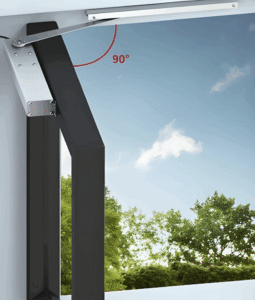
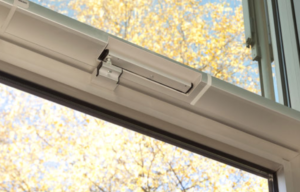
A window opener, also known as an electric window actuator or motorized window opener, is an automated mechanical device designed to open and close windows without manual effort. Unlike traditional manual window handles or cranks, window openers use electric motors, chains, push rods, or gears to operate windows, making them ideal for hard-to-reach areas, large windows, or anyone seeking convenience and safety. They can be controlled remotely, programmed to operate automatically, or integrated with smart home systems—transforming how we interact with the windows in our homes, offices, greenhouses, and industrial spaces.
The Core Purpose of a Window Opener
Window openers aren’t just a “luxury” upgrade—they solve real-world problems that manual windows can’t address: – Accessibility: Easily operate high windows (like skylights, upper-floor windows in high-rises) or heavy windows without climbing ladders or straining muscles. – Automation: Pair with sensors (temperature, rain, wind, smoke) to open/close windows automatically—perfect for greenhouses that need precise temperature control or homes where you want to avoid water damage from sudden rain. – Safety & Compliance: In commercial buildings and high-rises, window openers are often required for fire safety (they act as smoke exhaust systems, opening automatically during a fire to vent smoke and toxic fumes). – Energy Efficiency: Automate ventilation to reduce reliance on air conditioning and heating, lowering energy bills and reducing your carbon footprint. – Convenience: Control windows from your smartphone, voice assistant (Alexa, Google Home), or remote—no more getting up to adjust a window. Types of Window Openers: Which One Is Right for You?Window openers come in several types, each designed for specific window styles, use cases, and environments. Here’s a breakdown of the most common types (with SEO-friendly terms users search for):
1. Electric Window Opener (Most Popular)
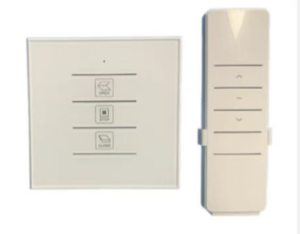
The most versatile and widely used type, electric window openers are powered by an electric motor (either AC 220V or DC 24V) and are compatible with most window styles (casement, awning, skylight, sliding). They can be controlled via wall switch, remote control, or smartphone app, and many support smart home integration (Tuya, WiFi). Ideal for homes, offices, and small commercial spaces. Key search terms: “electric window opener,” “smart electric window opener,” “24V electric window opener.”
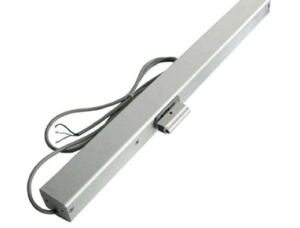
2. Chain Window Opener
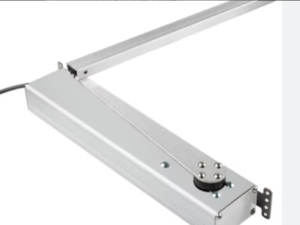
A subset of electric window openers, chain window openers use a metal chain to extend and retract, opening and closing windows smoothly. They’re compact, easy to install, and perfect for casement windows and skylights. They’re also durable and can handle moderate window weights. Key search terms: “chain window opener,” “electric chain window opener,” “skylight chain window opener.”
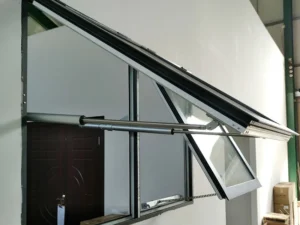
3. Linear Actuator Window Opener (Push Rod)
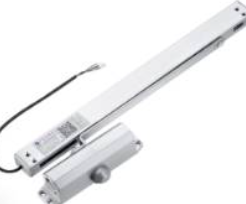
Also called push rod window openers, linear actuator models use a telescopic push rod to operate windows. They’re designed for heavy windows (like large commercial casement windows, industrial windows) and offer high推力 (force) and stability. They’re often used in commercial buildings, factories, and greenhouses. Key search terms: “linear actuator window opener,” “push rod window opener,” “heavy-duty window opener.”
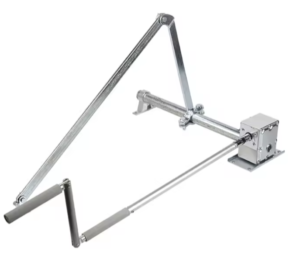
4. Manual Window Opener
For those who don’t need automation, manual window openers (hand crank or lever) are a budget-friendly option. They’re ideal for small windows, sheds, or areas without electricity. The most common type is the手摇 window opener, which uses a crank to operate high windows (like attic skylights) without climbing ladders. Key search terms: “manual window opener,” “hand crank window opener,” “high window manual opener.”
5. Greenhouse Window Opener (Thermostatic)
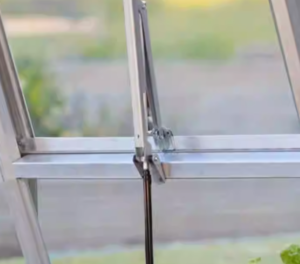
A specialized type designed for greenhouses, these window openers are often thermostatic (automatic temperature control) or electric. They open when the temperature rises (e.g., 28℃) and close when it drops, ensuring optimal ventilation for plants without manual intervention. Some are solar-powered, making them perfect for off-grid greenhouses. Key search terms: “greenhouse window opener,” “thermostatic greenhouse window opener,” “solar greenhouse window opener.”
6. Fire Smoke Window Opener (Commercial/Industrial)
A critical safety device for commercial buildings, fire smoke window openers are designed to open automatically during a fire (triggered by a fire alarm or 68℃ heat sensor) to vent smoke and toxic gases. They’re compliant with building codes and are often used in offices, hospitals, schools, and factories. Key search terms: “fire smoke window opener,” “fire rated window opener,” “commercial fire window opener.”
How Do Window Openers Work?
Most window openers follow a simple mechanical principle, regardless of type:
1. Power Source: Electric models use AC/DC power (wired) or batteries/solar (wireless). Manual models use human effort (crank/lever).
2. Actuation Mechanism: Chain, push rod, or gear system converts power into linear motion (opening/closing the window).
3. Control System: Electric models use a controller (wall switch, remote, app) to send signals to the motor. Sensors (temperature, rain) can trigger automatic operation.
4. Limit Switches: Built-in limit switches prevent the window from opening/closing too far, protecting the window and the opener itself.
For example, a chain window opener works by activating the motor, which extends the chain to push the window open. When you press “close,” the motor reverses, retracting the chain and pulling the window shut. Smart models connect to your WiFi, allowing you to control this process from your phone or via voice commands.
Who Needs a Window Opener?Window openers are useful for nearly everyone, but they’re especially valuable for:
– Homeowners: With high windows, skylights, or large casement windows; anyone who wants smart home convenience or accessibility (e.g., elderly or disabled individuals).
– Greenhouse Owners/Gardeners: Who need precise, automatic ventilation to keep plants healthy.
– Commercial Building Managers: Who need to comply with fire safety codes (fire smoke window openers) or manage large, hard-to-reach windows in offices, hotels, or hospitals.
– Industrial Users: Who need heavy-duty window openers for factories, warehouses, or industrial facilities. Key Features to Look for in a Window Opener When shopping for a window opener, consider these features to ensure it meets your needs:
– Power Type: Wired (AC/DC) or wireless (battery/solar). Wired is more reliable for permanent use; wireless is easier to install.
– Control Options: Remote, wall switch, smartphone app, voice control, or sensor-based automation.
– Stroke Length: The distance the opener can extend (determines how far the window opens). Measure your window’s maximum opening range before buying.
– Weather Resistance: For outdoor windows (skylights, greenhouses), look for IP65+ waterproof rating to protect against rain, dust, and extreme temperatures.
– Smart Integration: Tuya, WiFi, Alexa, or Google Home compatibility for seamless smart home control. Final Thoughts.A window opener is more than just a convenience—it’s a practical solution for accessibility, safety, and energy efficiency. Whether you’re a homeowner looking to upgrade your smart home, a gardener needing to automate your greenhouse, or a building manager ensuring fire safety compliance, there’s a window opener designed for your needs. By understanding the different types, features, and use cases, you can choose the perfect window opener to make your space more functional and comfortable. If you’re ready to shop, check out our top recommendations for window openers in 2026, or read our next guide on how to install a window opener yourself.